Kuruman
“Kudumane” derives from the San word meaning “little tortoise”, and referred to an ancient San leader.
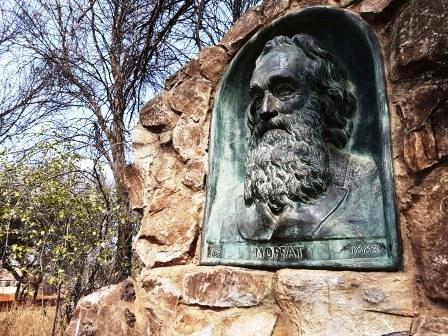
In the 19th Century, Kuruman was the main springboard for Europeans as they ventured into the mysterious interior of the African continent. The important role of Kuruman was created by a synergy between the Tswana population of the southern Kalahari and the mission station led by the pioneer missionary, Robert Moffat, in 1829. Today, the Moffat Mission is a very important heritage site – the Jewel in the Crown of the Forgotten Highway Heritage Route.
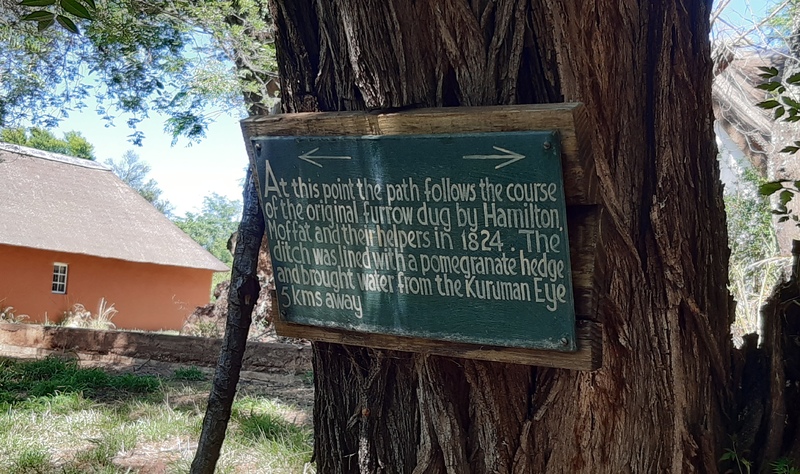
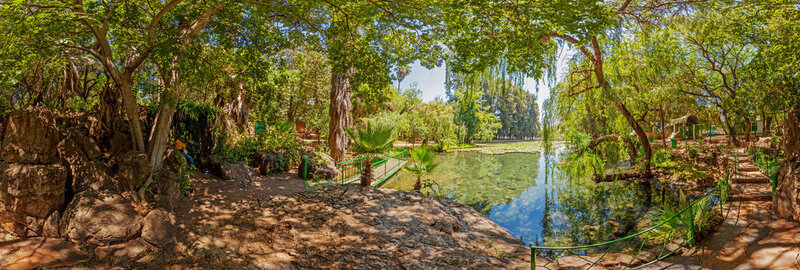
The key natural feature at Kuruman is the notable fountain, called “The Eye”, which yields about 18 million litres of clear water per day. This remarkable resource was known for centuries to the San, Koranna and Tswana in the area. The Tswana called the Eye “Gasegonyana” (place of the calabash, or small bowl, which is still the name of the Local Municipality). From the 1920s to to the mid-20th Century, Kuruman was, for a century, regarded as an oasis of education, Christianity, water and agriculture. It feeds the Kuruman River, and the missionaries built a furrow to bring water to the Mission site. Today, it still offers church services, a school, and is often visited by tourists.
The Tswana had been living in the area since the 1600s. The Tlhaping under Chief Molehabangwe developed a loose confederation of communities in the region in the late 1700s. Their state included several other cultural groups, including the Koranna, Rolong, Tlharo, Kgalagadi, and San. The main Tlhaping hub was at Dithakong, about 70 km north of Kuruman. This is where they met the important Somerville party of colonial explorers in 1801.
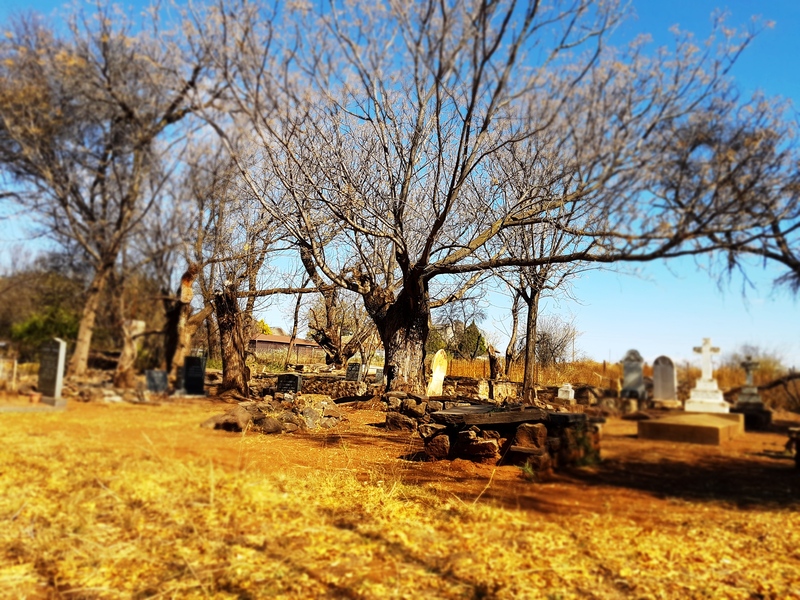
Many other modern Tswana villages in the Northern Cape have their roots from at least 200 years, such as Maruping, Matlharos, Bothitong and Manyeding. These villages appear frequently in the Moffat Mission church records.
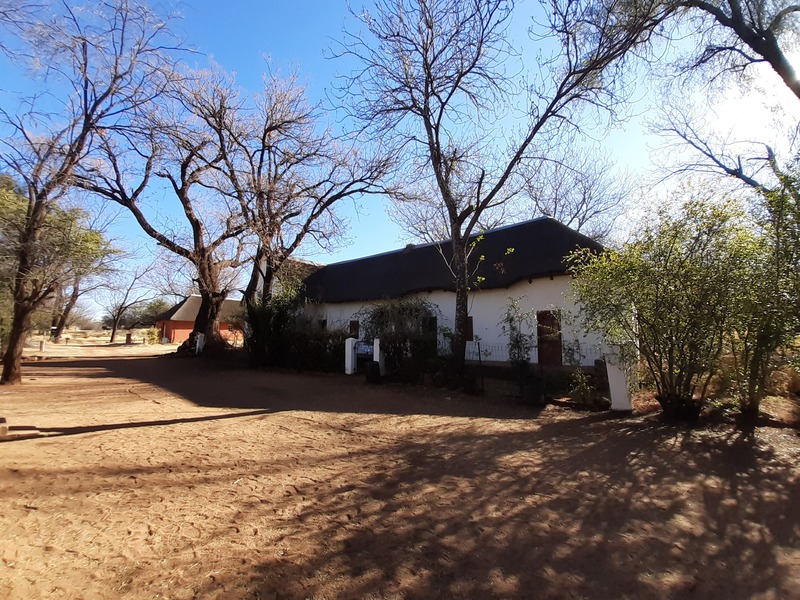
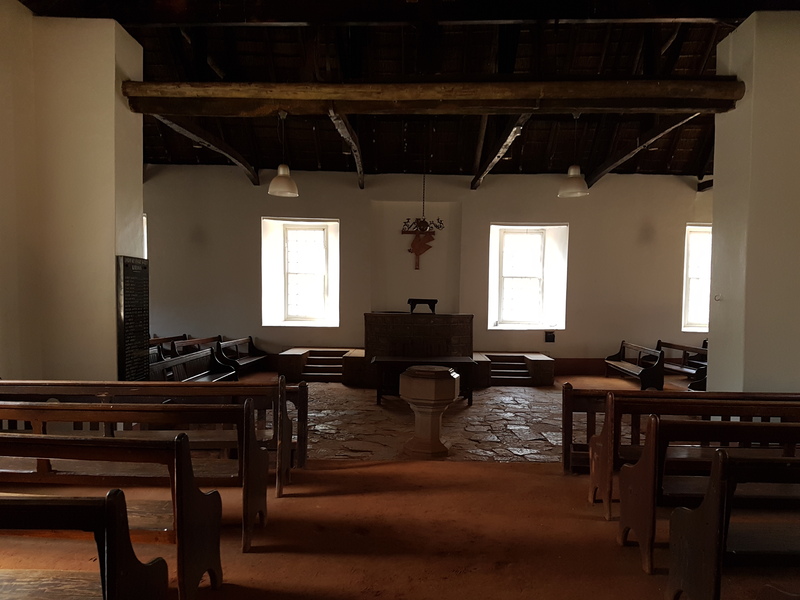
The Moffat Mission in Kuruman was established in 1823, under the leadership of Reverend Robert Moffat of the London Mission Society. Rev Robert Moffat learned to speak Tswana, and gave his first sermon Setswana sermon in 1827, which was a major breakthrough in his missionary work. The Mission extended western education and literacy to the Tswana, including the first instance of the translation of the Bible into an African language. The LMS established outposts throughout the region.
For the Tswana, the missionaries offered access to the Colony to obtain goods, to trade the proceeds from hunting trips, to obtain firearms, and to develop their agriculture. White traders set up shop at Tswana sites, as well as the Moffat Mission.
After 1878, the village of Seodin (which means “the land in the elbow of the stream”) was a Tlharo settlement, on the eastern side of the Kuruman River – right across Moffat Mission on the western side. Today, Seodin is a suburb of Kuruman.
Kuruman and its environs, around 1915. “Kuruman town” is located next to the “Oog” (“Eye”) fountain. To the north, the first agricultural erven were laid out along the Kuruman River. North of that is the property of the LMS (“Eiendom van die LSG”), also along the Kuruman River. Tswana villages are located at Seoding, just north of the LMS, as well as Dikgweng in the south. (From Snyman 1992, page 54).
In the meantime, the town of Kuruman developed as a commercial centre. In the 20th Century, the region was very poor, due to droughts, the destruction of woodlands for the Kimberley diamond market, and livestock diseases. The asbestos industry created some livelihoods and wealth, but brought disease in its wake. After the second World War, Kuruman benefited from the expansion of iron and manganese mines in the vicinity.