Griquatown
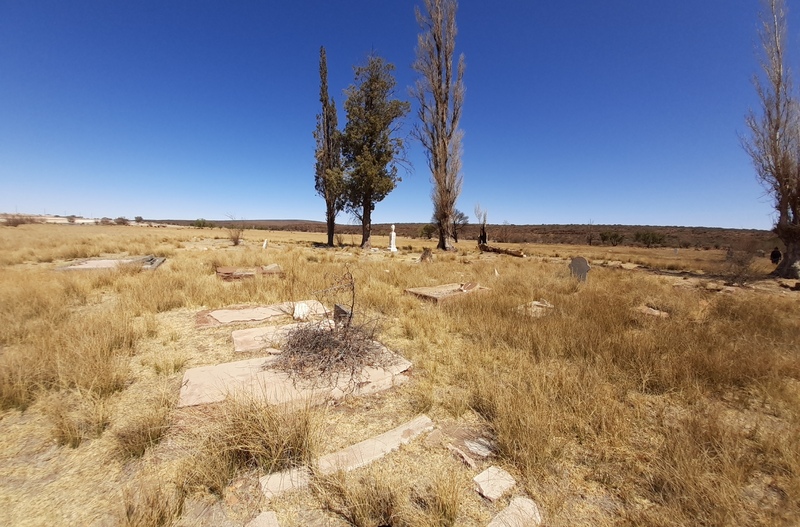
This well-watered site was always home to San and Korana, who called it “Karrikamma”, or “clear water”. In 1800, the London Missionary Society pioneers, WilliamAnderson and Cornelius Kramer, crossed the Orange River, in the company of the Kok/Barends Griqua clan, then called the “Basters”, who had developed a community in Namaqualand from diverse cultural origins (Khoi, Nama, San, foreign slaves, and white people), and who spoke a form of Dutch. Some Basters were already Christians. They had guns and horses, raised cattle, and engaged in trade.
In 1804, they settled at Karrikamma, and called it Klaarwater (“clear water”, translated from the Kora name). The village became an important Christian hub, although many non-Christian Korana, Griqua, San and Tswana lived on the outskirts, mainly for reasons of safety. The missionaries brought cultural changes, such as crop production and buildings made of stone.
The first Griqua were baptised at Klaarwater in 1807. For the Griqua leaders, being baptised was an important step to being accepted in colonial society. The key leaders came from the Kok, Waterboer, Barends, Pienaar, Goeyman, David, Balie, en Hendricks families. Many of the old Griqua names are still prevalent in the area. There were also mission outstations, such as Hardcastle and Blinkklip, and these feature regularly in LMS church records.
Griquatown’s political leaders built a network of trading and military relationships with the Tswana chiefs, including those near Kuruman. This was an important factor building the later identity of the region as Griqualand West. Their close links with the London Missionary Society remained an important aspect of their influence, at least until the 1860s.
In 1813, the local community, led by the visiting Reverend John Campbell, decided to change the name of the town to “Griquatown”. This became the nucleus of the Griqua state, which stretched at least 100 km in each direction, under Captain Andries Waterboer. The Griqua state decisively influenced the entire “trans-Orange” region, particularly under the Barends and Kok dynasties.
The settlement has always been multicultural, drawing on Dutch, English, San, Korana and Tswana heritages and languages.
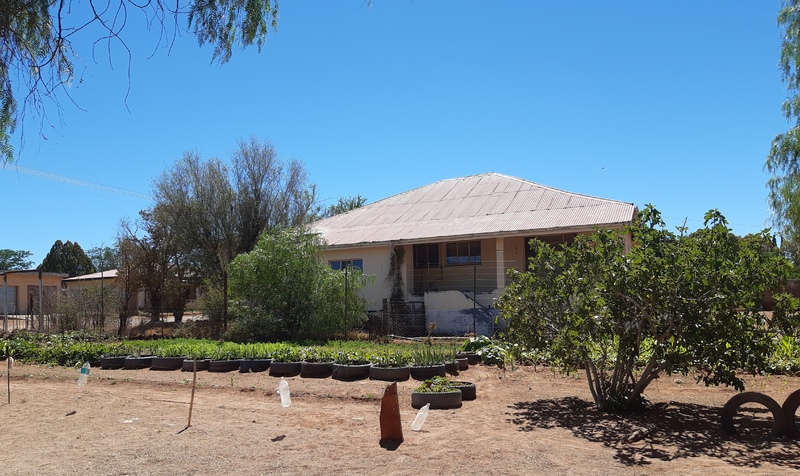
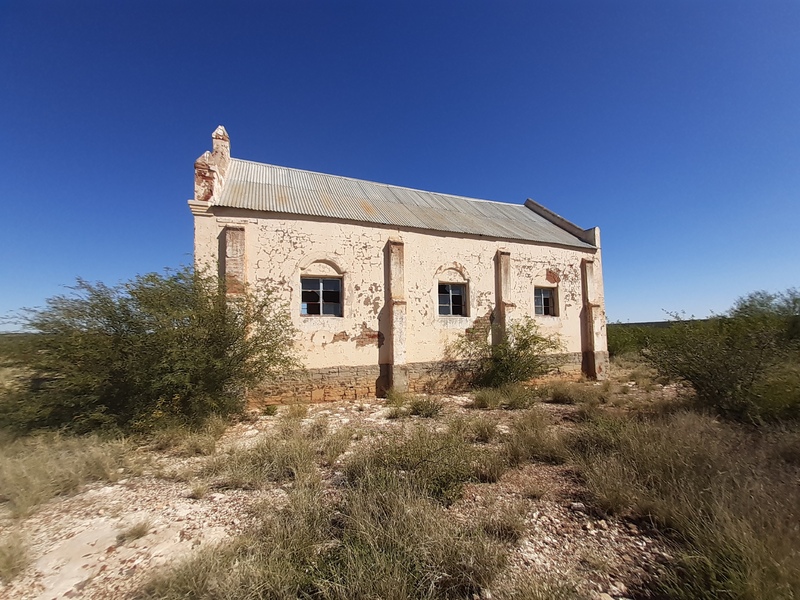
The LMS remained the main spiritual foundation of Griquatown until the 1880s, when the NG Church established a church, mainly for white Afrikaans residents. As was typically the case, the NG Church also reached out to coloured and black residents as part of their mission activities.
The Griqua community always had vast disparities of wealth. A few senior Griqua families had extensive livestock, and tended to employ poorer people as herdsmen. However, towards the end of the 1800s, the Griqua state lost its independence, and many Griqua lost their land due to inadvisable land sales to white in-migrants from the Colony.
The Griquas’ land was annexed by the British in 1871, after the discovery of diamonds. As part of a settlement deal, the Cape Colony allocated five farms to Chief Niklaas Waterboer but many of his followers were barely aware that political control had shifted to the Colony. Growing resentment about this land loss led to the 1878 Griqua/Tswana rebellion (“The War of the Wagon”), when the rebels attacked Griquatown and were forcefully suppressed by the British.
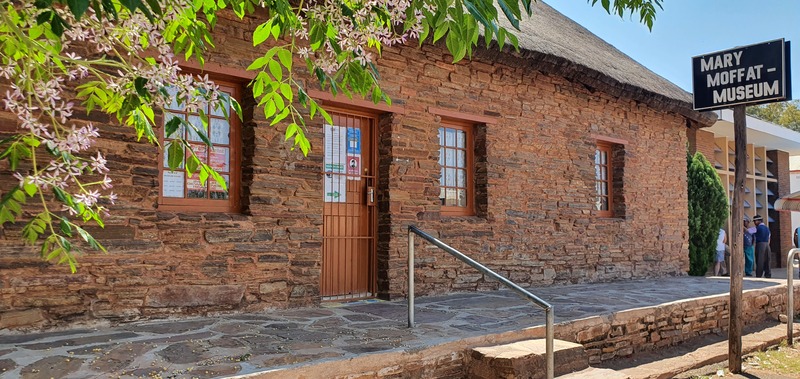
After the Anglo-Boer War, the area remained poor, although it was, for a time, the hub of semi-precious stone mining. The Mary Moffat Museum (named after Robert Moffat’s daughter) is an important site, with the building dating from missionary times. Widespread asbestos mining became a refuge for black and coloured people who did not want to work on white farms, but they paid a heavy price in terms of the health impacts of the industry.
Today, Griquatown is part of the Siyancuma Local Municipality, with its headquarters in Douglas.