Postmasburg
Shiny Sibilo Stone
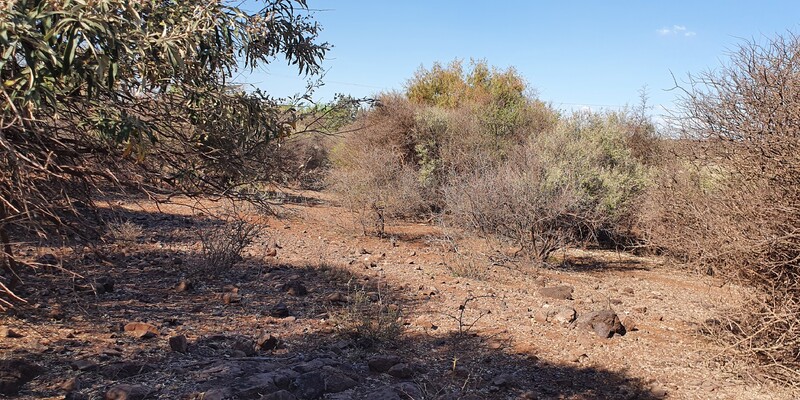
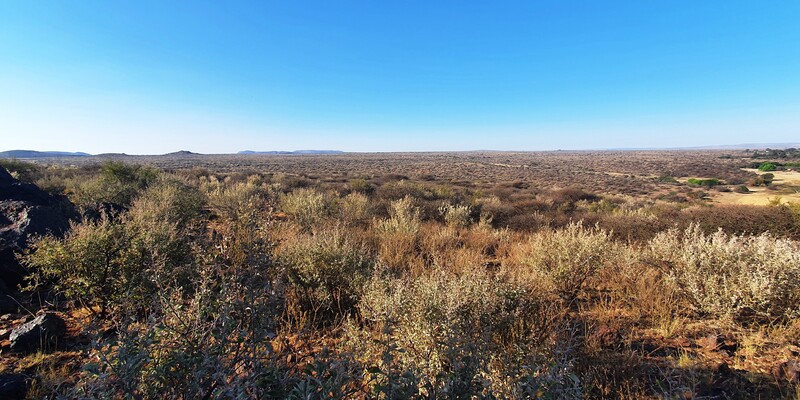
Postmasburg a dynamic mining centre, located about 125 km south-west of Kuruman. It is a water-rich valley along the Groenwater River. On its eastern side is a historic hillsite, once known as “Gatkoppies”.
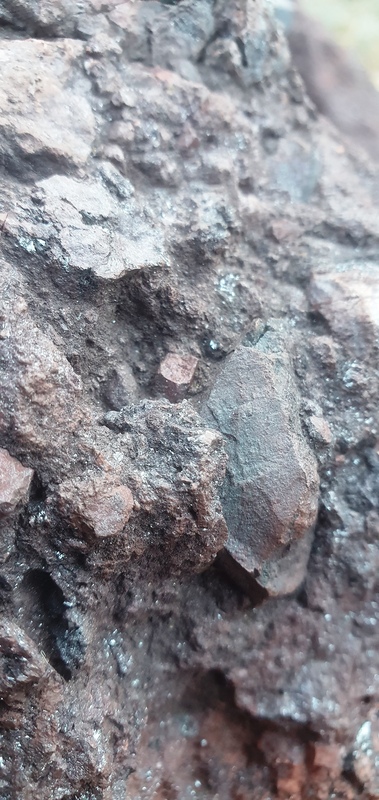
The //n!ke San tribe lived for centuries in Griqualand West. By the late 1700, the Korana (of Khoi and Nama descent) moved into the area. The name “Gatkoppies” sounds like a Dutch name, but it was actually derived from a Korana word, in which “gat” or “goaypa” means "shiny” - referring to the shiny hematite stone, or “sibilo”. This remarkable stone which was mined, ground, used as a cosmetic (mixed with animal fat), and traded extensively in the region. By late 1800, the renegade and fugitive German, Jan Bloem, had joined a Korana clan, and lived just south of Gatkoppies.
By the early 1800s, the Tswana chiefdom, based north of Kuruman, expanded to reach Gatkoppies. They called it Tsantsabane (“bright stone”). By now, there was a cavern on the side of Gatkoppies hill, due to ongoing mining by the Korana, Khoi and Tswana.
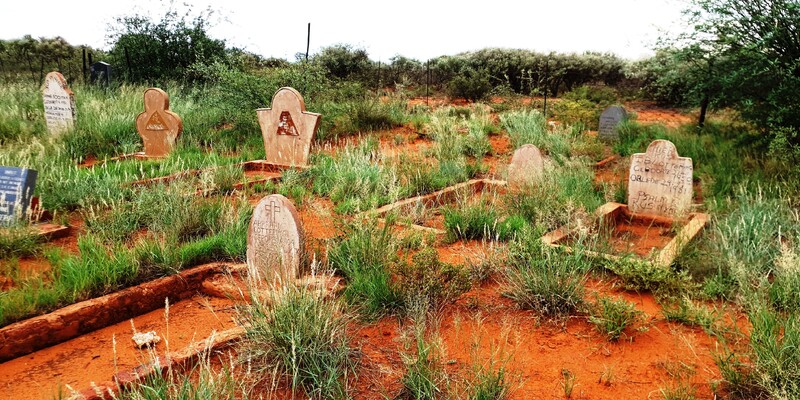
The Griqua, based in Griquatown, set up a satellite community at Gatkoppies in 1823, and called it Blinkklip (“shiny stone”). Important Griqua families such as the Vissers and Koks lived in the vicinity, alongside a Tswana-speaking Tro community. An MS missionary, Rev John Baillie, worked at Blinkklip in the 1830s. By the late 1830s, Blinklip’s Tlharo and Griqua people had built a church, and were engaged in agriculture.
The area incorporated into the Cape Colony in 1880, and more English and Dutch-speakers bought farmland.
In 1882, the Gereformeerde Kerk (GK) established themselves at Blinkklip. They had broken away from the NG Church, on the basis of doctrinal differences. In 1891, the Cape Government approved the establishment of a town governed primarily by the GK. It was re-named Postmasburg, in honour of Prof Dirk Postma, the pioneering leader of the GK.
After the 1897 Tswana rebellion, the Tswana were now living in “reserves” at Groenwater (Metsimatala), east of Postmasburg, and Skeyfontein, south of the town. These remain important communities today. Two other “reserves” were Gatlhose and Maremane, north-east of Postmasburg, the home of Tlharo, Koranna and Griqua people (the Khosis people) until the 1970s, when the area was taken over to serve as the Lohatlha military base. A long process of resistance and legal challenges followed.
The area was extremely poor in the early twentieth century, until asbestos mining was launched in the area, followed by mining of the rich manganese and iron deposits. Today, Postmasburg is relatively wealthy, with rapid in-migration of mine workers and technicians; however, there are still pockets of poverty.
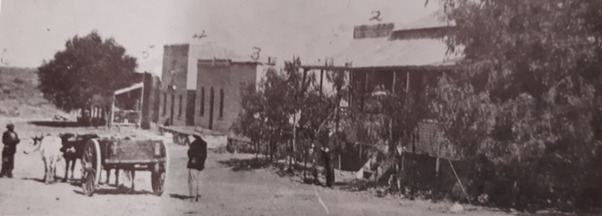
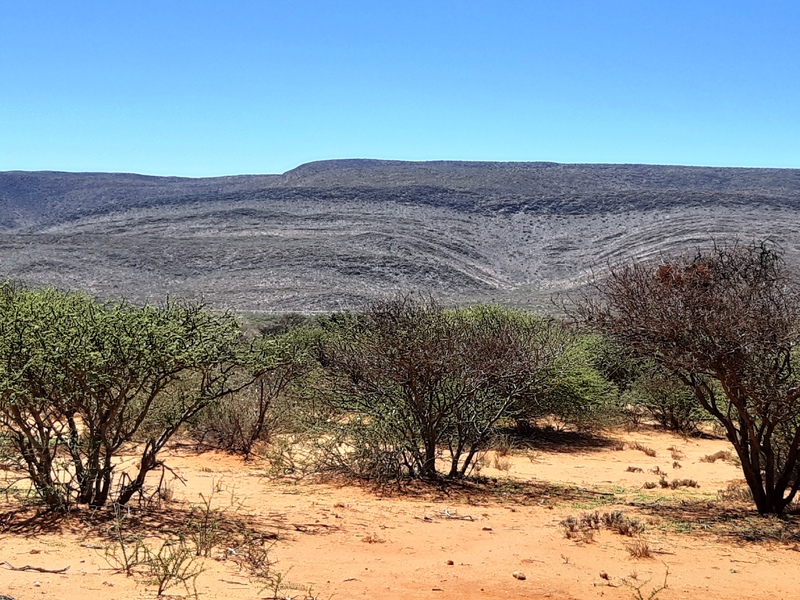
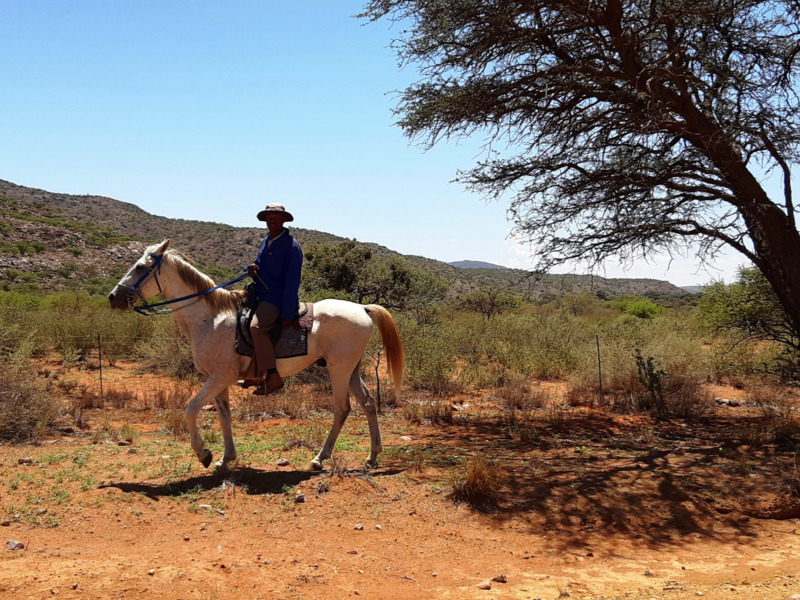
Postmasburg remains the central point of numerous communities of indigenous people, either living in settlements or on commercial farms. The London Missionary Society was an important network amongst these dispersed people, as reflected in the LMS baptismal records.
Today, Postmasburg is the centre of the Tsantsabane Local Municipality.