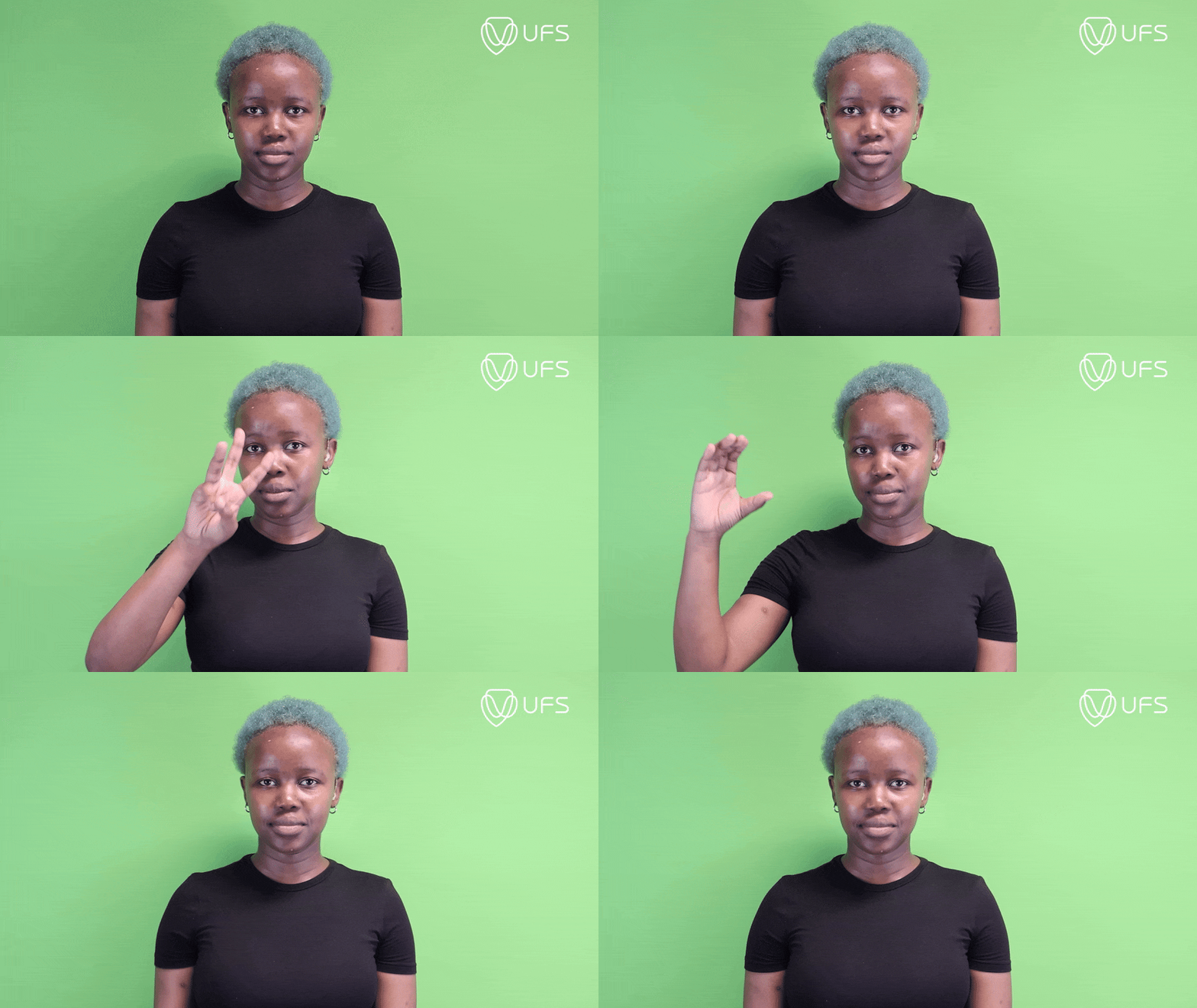
Western Cape 02 is an initialised sign with the handshape W followed by C. There is noticeable phonological variation in terms of movement for the different variants, with a movement to the side being the most common.
De La Bat 03 is an initialised sign with both hands forming the handshape of D. This is from the old SASL alphabet, when SASL still used the two-handed alphabet. The mouthing of ‘De La Bat’ distinguishes this variant from other similar signs. It is a lexical variation from De La Bat 01.
De La Bat 01 is a descriptive sign that is the same as the sign for HEARING. A possible explanation is that this school used oralism, whereby speech and lipreading was taught and used as the medium of instruction.
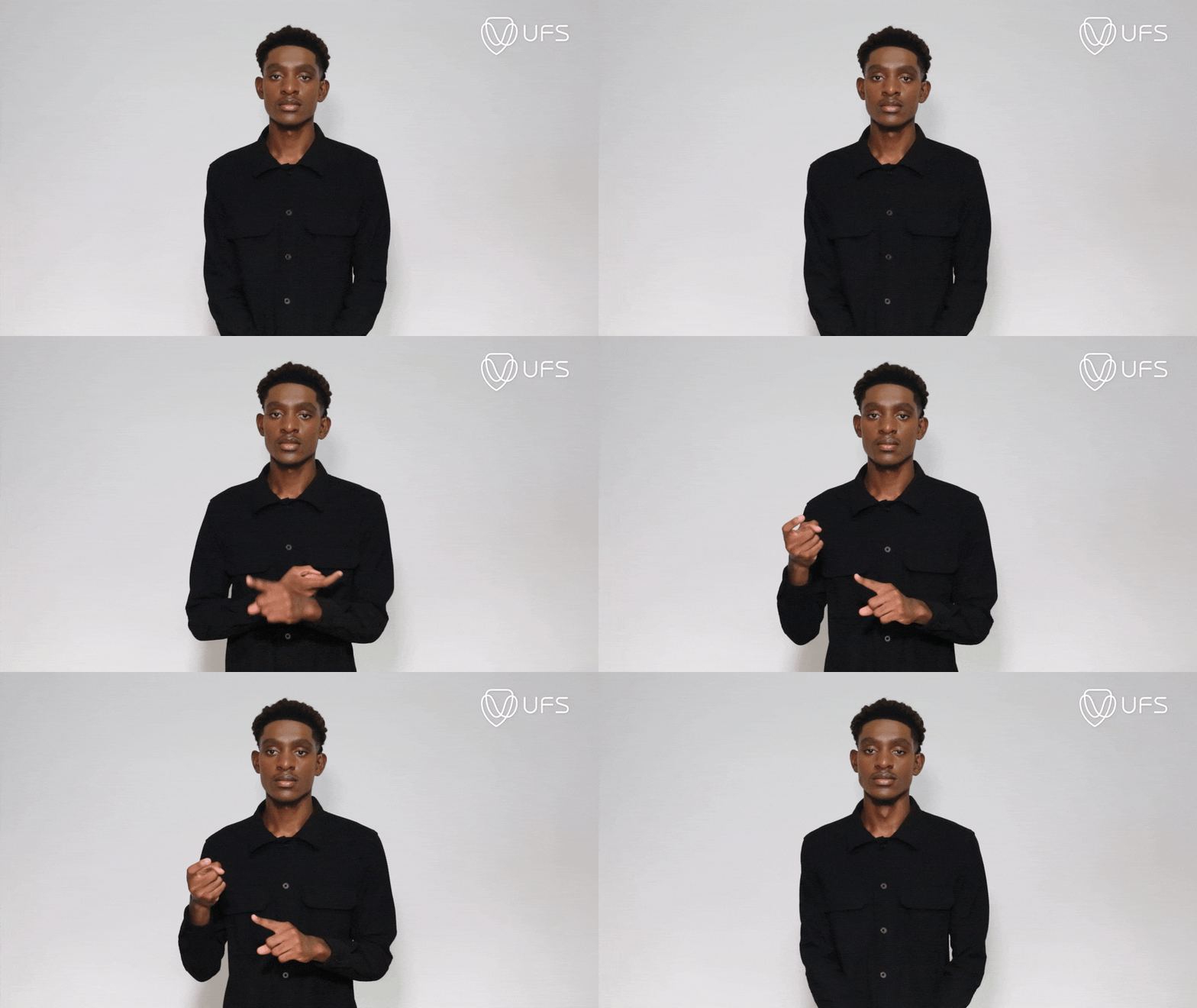
Cape Town 12 is an initialised-descriptive sign that incorporates the X handshape for both hands. The dominant hand moves with the palm facing upwards back and forth across the forearm of the non-dominant hand, which faces palm down. This variant originates from the Afrikaans Deaf community. They have a sign for ‘Kaap’, which is a colloquial reference to the areas surrounding Cape Town. This variant is a lexical variation from both Cape Town 07 and Cape Town 12.
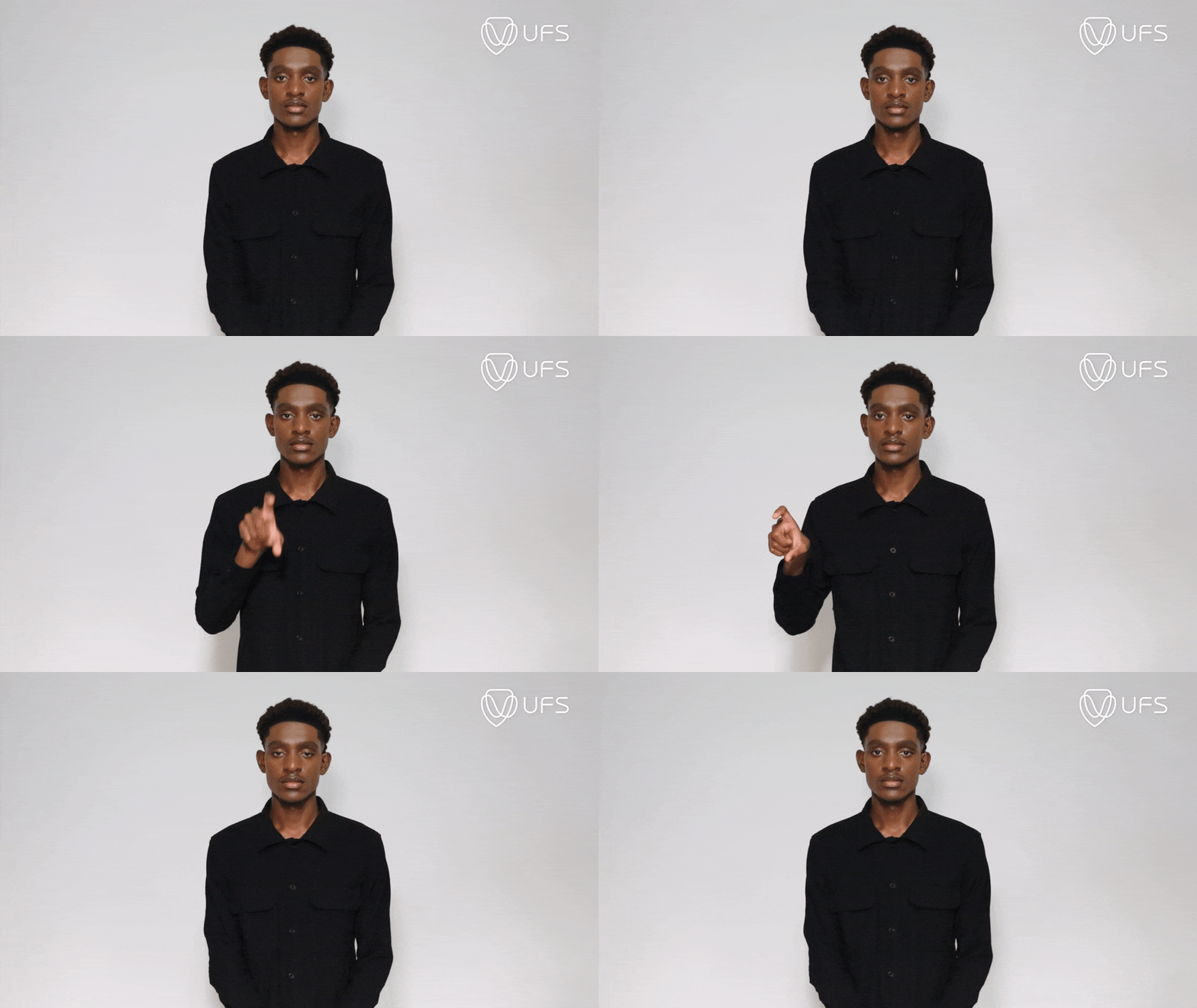
Cape Town 07 is an initialised sign with the handshape in lower-case C in SASL. This is also the alphabet letter C in British Sign Language. This variant is a lexical variation from both Cape Town 01 and Cape Town 12.
Cape Town 01 is an initialised-descriptive sign that incorporates the T handshape for both hands in a movement that mimics the shape of Table Mountain, a landmark of Cape Town. Over time, this shortened version of the sign evolved to only flick the wrists up and down, with the hands in the T handshape. This variant is a lexical variation from both Cape Town 07 and Cape Town 12.