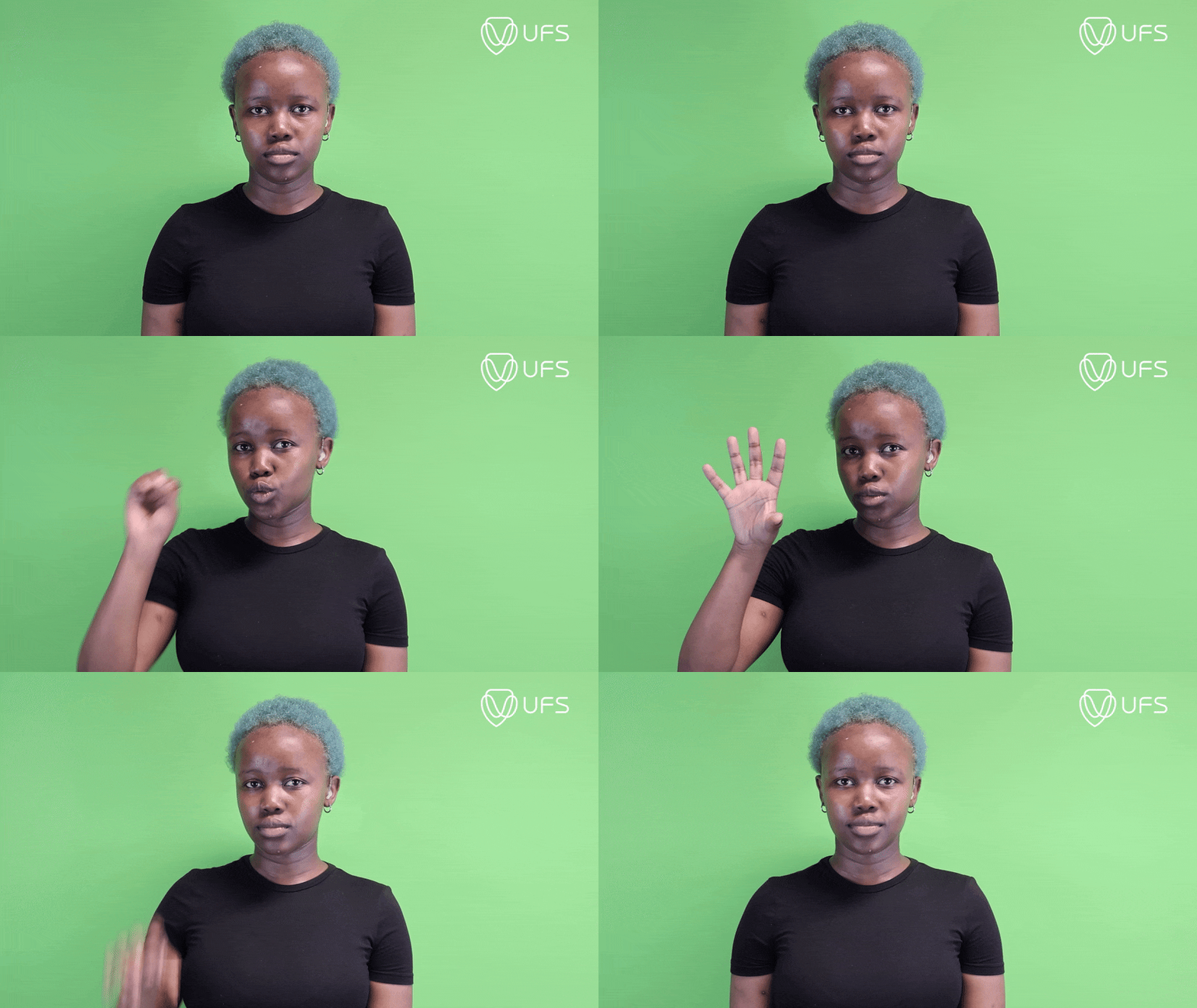
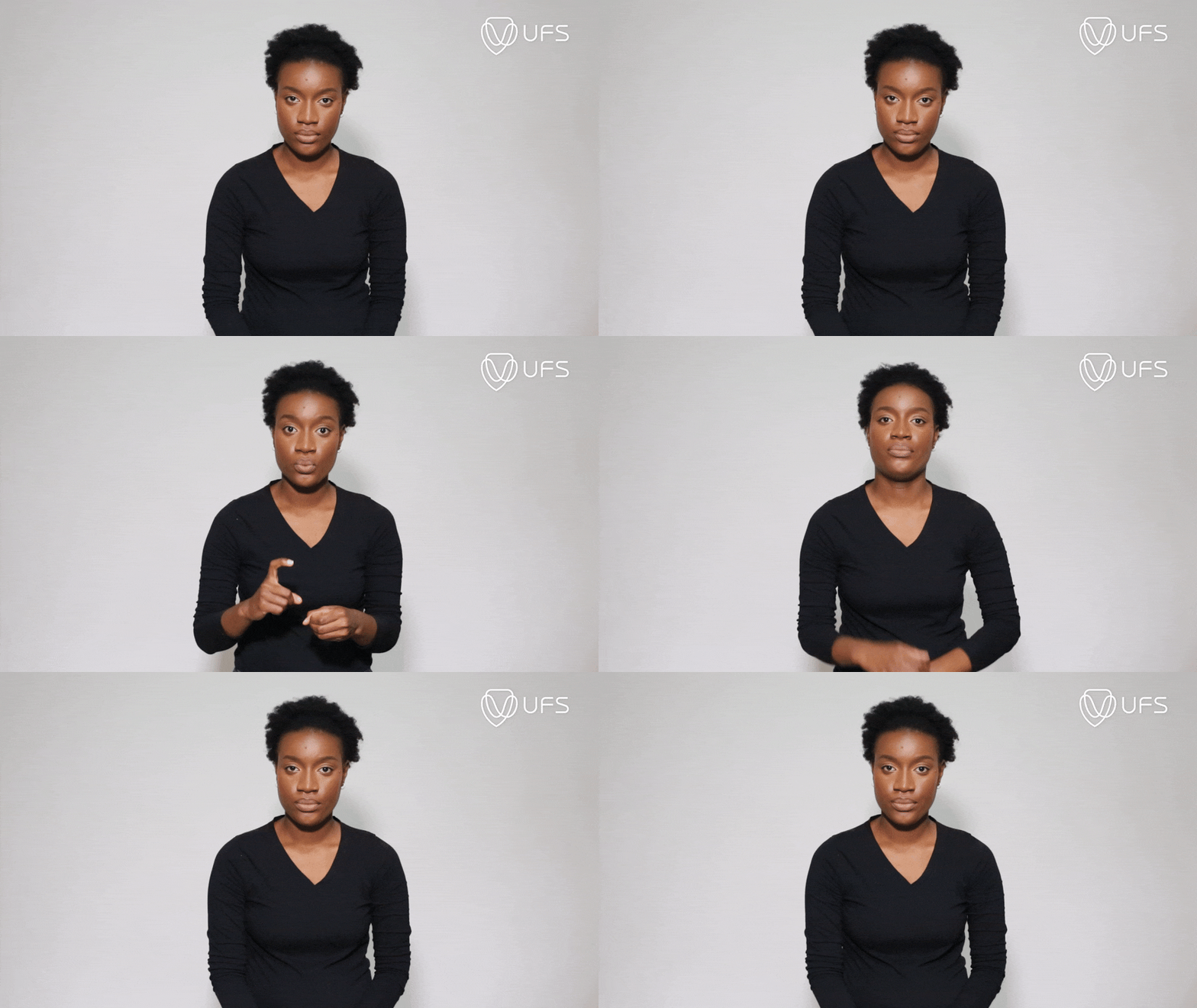
Western Cape 02 is an initialised sign with the handshape W followed by C. There is noticeable phonological variation in terms of movement for the different variants, with a movement to the side being the most common.
Upington 05 is a descriptive sign with the handshape C placed against the shoulder. We were unable to determine the meaning for this sign. However, the handshape could possibly refer to the previous number plate for Upington, which started with CAY.
Upington 04 is a descriptive place-name sign that mimics the sign for BEARD. When the sign is flipped upside down, the shape could be a reference to the mountain passes in the Northern Cape province where Upington is situated.
Thiboloha 01 is an initialised sign with the handshape T and added side-to-side wrist movement. The mouthing of ‘Thiboloha’ differentiates this variant from other similar signs, such as Thaba ‘Nchu 01.
Thaba ‘Nchu 01 is an initialised sign with the handshape T and added side-to-side wrist movement. The mouthing of ‘Thaba ‘Nchu’ differentiates this variant from other similar signs, such as Thiboloha 01.
St. Thomas 02 is an initialised sign with the handshape K in the Irish Sign Language alphabet. The movement that is done next to the head is similar to the SASL sign for learning or gaining knowledge. The mouthing of ‘St. Thomas’ differentiates it from similar signs such as Sonitus 01.
St. Thomas 01 is an initialised sign. The base handshapes for the sign are S followed by T. Over time, the sign has evolved, and additional movement has been added to make the production of the sign easier, without additional meaning. This variant is a lexical variation from St. Thomas 01.
Soweto 01 is a descriptive place-name sign that is similar to the signs for SUN or FLASHING LIGHT. We are unable to determine the origins of this variant, but it could possibly refer to the Sesotho nickname for Gauteng, the province is which Soweto is situated. ‘Maboneng’ means ‘place of lights’.
South Africa 01 is an initialised-descriptive sign with a handshape S that moves in a southward direction (‘South’). The sign for AFRICA is then added - a semicircle movement that mimics the rounding at the top of the continent.
Sonitus 01 is a descriptive sign with the handshape K in the Irish Sign Language alphabet. The movement that is done next to the head is similar to the SASL sign for learning or gaining knowledge. The mouthing of ‘Sonitus’ differentiates it from similar signs such as St. Thomas 02.
Re Thlamaleng 01 is an initialised sign with the handshape R and added side-so-side wrist movement. The mouthing of ‘Re Thlamaleng’ distinguishes this variant from other similar signs and identifies it as a place-name sign.
QwaQwa 02 is initialised with Q in the British Sign Language alphabet. The dominant hand is in the SASL handshape X and moves in a down and up motion to the non-dominant hand which is in the SASL handshape F. The F handshape makes it a phonological variation from QwaQwa 02, and could possibly be a spelling error.
QwaQwa 01 is initialised with Q in the British Sign Language alphabet. The dominant hand is in the SASL handshape X and moves in a down and up motion to the non-dominant hand which is in the SASL handshape O. The O handshape makes it a phonological variation from QwaQwa 02.
Pretoria 14 is a descriptive place-name sign that is the same as the sign for SISTER. The mouthing of ‘Pretoria’ indicates the sign as a place-name sign.In the case of Pretoria there are three lexical variations: one that resembles the sign for GOVERNMENT (Pretoria 01 and Pretoria 02), another which is the sign for SISTER (Pretoria 14), and two initialised variants that differ phonologically from each other (Pretoria 06 and Pretoria 09).
Pretoria 09 is an initialised sign with the handshape P in the British Sign Language alphabet.In the case of Pretoria there are three lexical variations: one that resembles the sign for GOVERNMENT (Pretoria 01 and Pretoria 02), another which is the sign for SISTER (Pretoria 14), and two initialised variants that differ phonologically from each other (Pretoria 06 and Pretoria 09).
Pretoria 06 is a descriptive sign with the handshape T followed by P. The handshapes likely refer to the previous number plate for Pretoria, which started with TP.In the case of Pretoria there are three lexical variations: one that resembles the sign for GOVERNMENT (Pretoria 01 and Pretoria 02), another which is the sign for SISTER (Pretoria 14), and two initialised variants that differ phonologically from each other (Pretoria 06 and Pretoria 09).
Pretoria 02 is a descriptive place-name sign that is the similar to the sign for GOVERNMENT, but placed near the centre of the signer’s forehead instead of to the side. This refers to the fact that Pretoria serves as South Africa’s administrative capital, and many government head offices are located there. The handshape is W, which makes it a phonological variation from Pretoria 01.In the case of Pretoria there are three lexical variations: one that resembles the sign for GOVERNMENT (Pretoria 01 and Pretoria 02), another which is the sign for SISTER (Pretoria 14), and two initialised variants that differ phonologically from each other (Pretoria 06 and Pretoria 09).
Pretoria 01 is a descriptive place-name sign that is the similar to the sign for GOVERNMENT, but placed near the centre of the signer’s forehead instead of to the side. This refers to the fact that Pretoria serves as South Africa’s administrative capital, and many government head offices are located there. The handshape is F, which makes it a phonological variation from Pretoria 02.In the case of Pretoria there are three lexical variations: one that resembles the sign for GOVERNMENT (Pretoria 01 and Pretoria 02), another which is the sign for SISTER (Pretoria 14), and two initialised variants that differ phonologically from each other (Pretoria 06 and Pretoria 09).
Pietermaritzburg 04 is an initialised-descriptive sign. It has the handshape is X, with the hand placed on the chin and the palm facing towards the signer. We were unable to determine the meaning of this sign. The mouthing of ‘Pietermaritzburg’ identifies this variant as a place-name sign. Pietermaritzburg 04 is a lexical variation from Pietermaritzburg 01.
Pietermaritzburg 01 is an initialised sign, with the handshape P followed by M, then B. This is a common abbreviation for Pietermaritzburg in spoken language as well. This variant has no movement. Pietermaritzburg 01 is a lexical variation from Pietermaritzburg 04.
Northern Cape 02 is an initialised sign with the handshape N followed by C. This variant has added movement to the side, which makes it a phonological variation from Northern Cape 01.